Psychology 3
The Chapter 3 of Kabelo's Dieting Invention Content
- Learn about the Stress management radiation POPT
- Learn about pressure management and eating motion impulses
- Learn about the 2-feedback mechanism and markers
- Learn about the role of this app in stress-depression management
- Learn about the role of mood management while controlling pressure
Remember you must strategies this knowledge from website, document to app
Learn about the neuroscience behind this app
The only Diet Program in history of science and the entire global wellness market with ability knowledge to audit awareness, readiness and willingness to change eating behaviour towards effective weight management
How Kabelo is integrating neuroscience on the smartpeeps app
- Brain-Body Connection science demonstration: The app formula examines how the brain processes signals related to hunger, cravings, and emotions. It explores the neural pathways involved in making decisions about food and how these pathways can be influenced by external factors such as stress and environment.
- Emotional Regulation: This app is addressing how different emotions can trigger eating behaviors. By understanding the brain’s response to stress, anxiety, or desire. Kabelo’s app aims to help individuals recognize when their cravings are driven by emotional states rather than physical hunger.
- Mindful Meditation Science: By practicing mindfulness and meditation, this app can assist individuals to potentially rewire their brain’s responses to food-related cues and reduce impulsive eating.
- Feedback Mechanisms: The Smartpeeps project includes the use of feedback mechanisms to assess and monitor emotional and physical responses to eating. This feedback can help individuals understand their behaviors in real-time and make adjustments based on their emotional states and hunger cues.
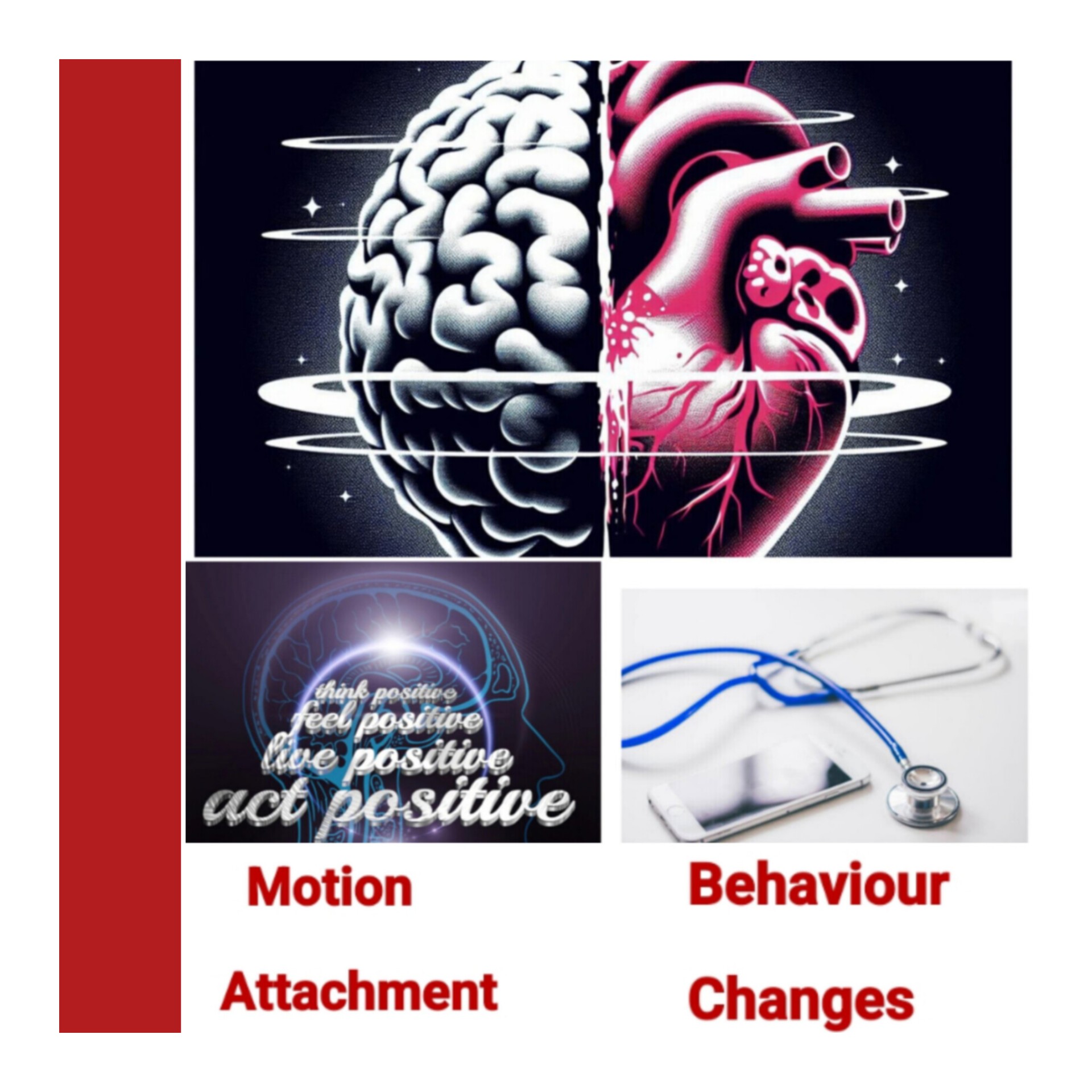
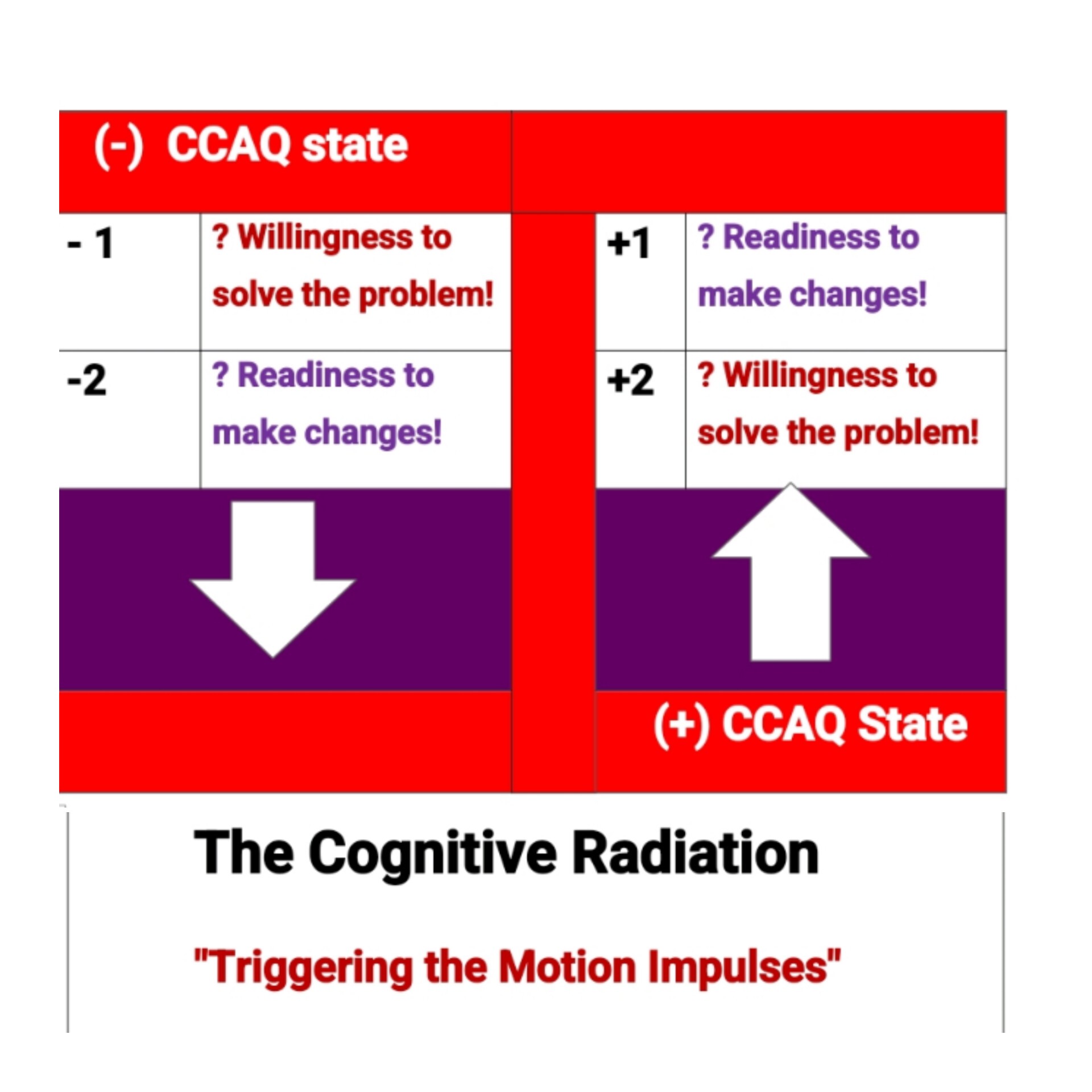
Motion attachment, Cognitive Radiation and CCAQ
How does Kabelo assess awareness, reading and willingness through this exciting mindset challenge program?
What is a negative impulse rotation thinking cycle?
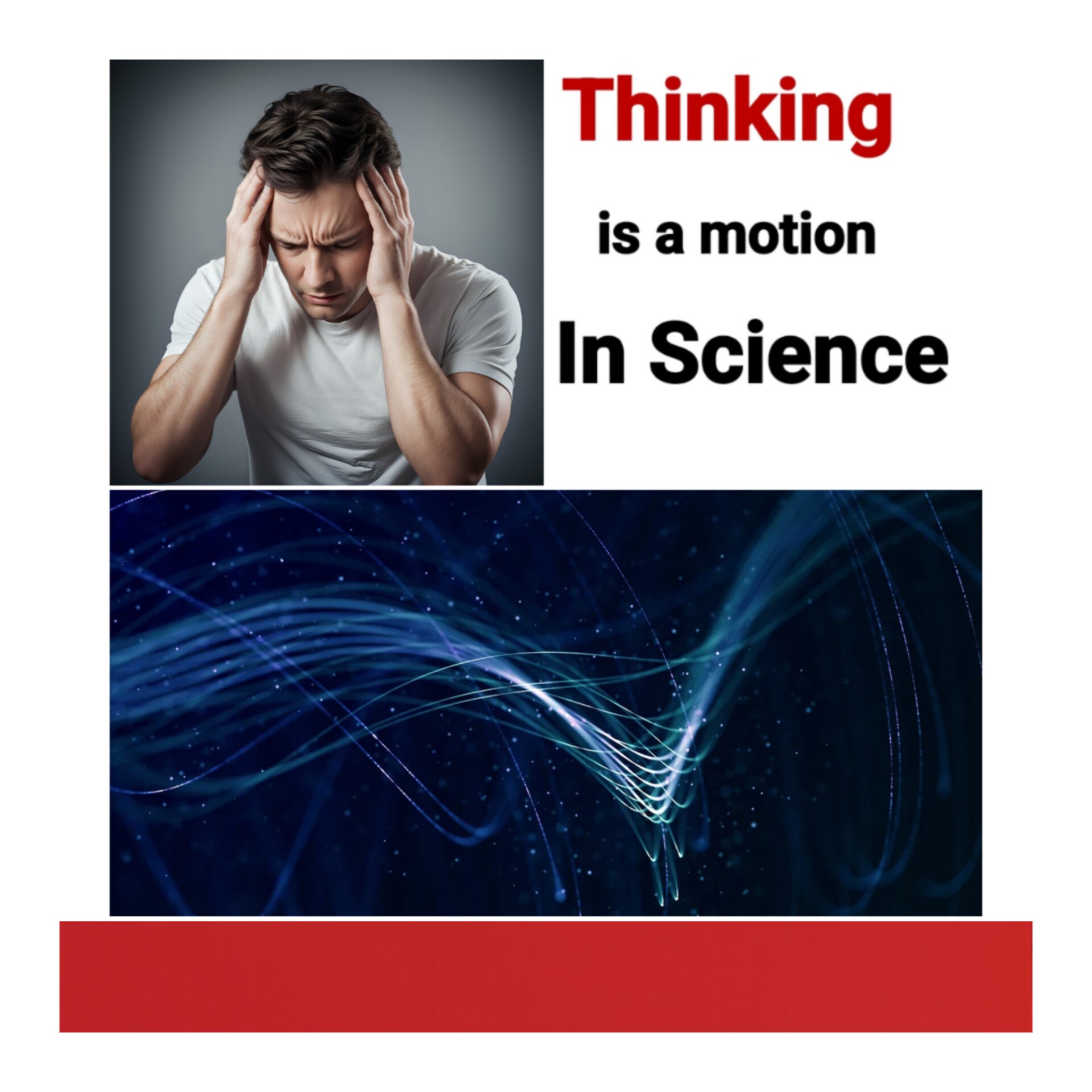
According to Kabelo's research thinking in science is a motion and rotation cycle. Now we are getting into a psychiatric science of this magic app
- In these 2 programs: Kabelo is discussing what he describes as the negative motion impulses in the context of how certain thought patterns and emotional responses can lead to unwanted behaviors.
- Negative motion impulses refer to the cyclical thinking processes that are triggered by negative emotions which often drives people not to see the importance of weight management l.
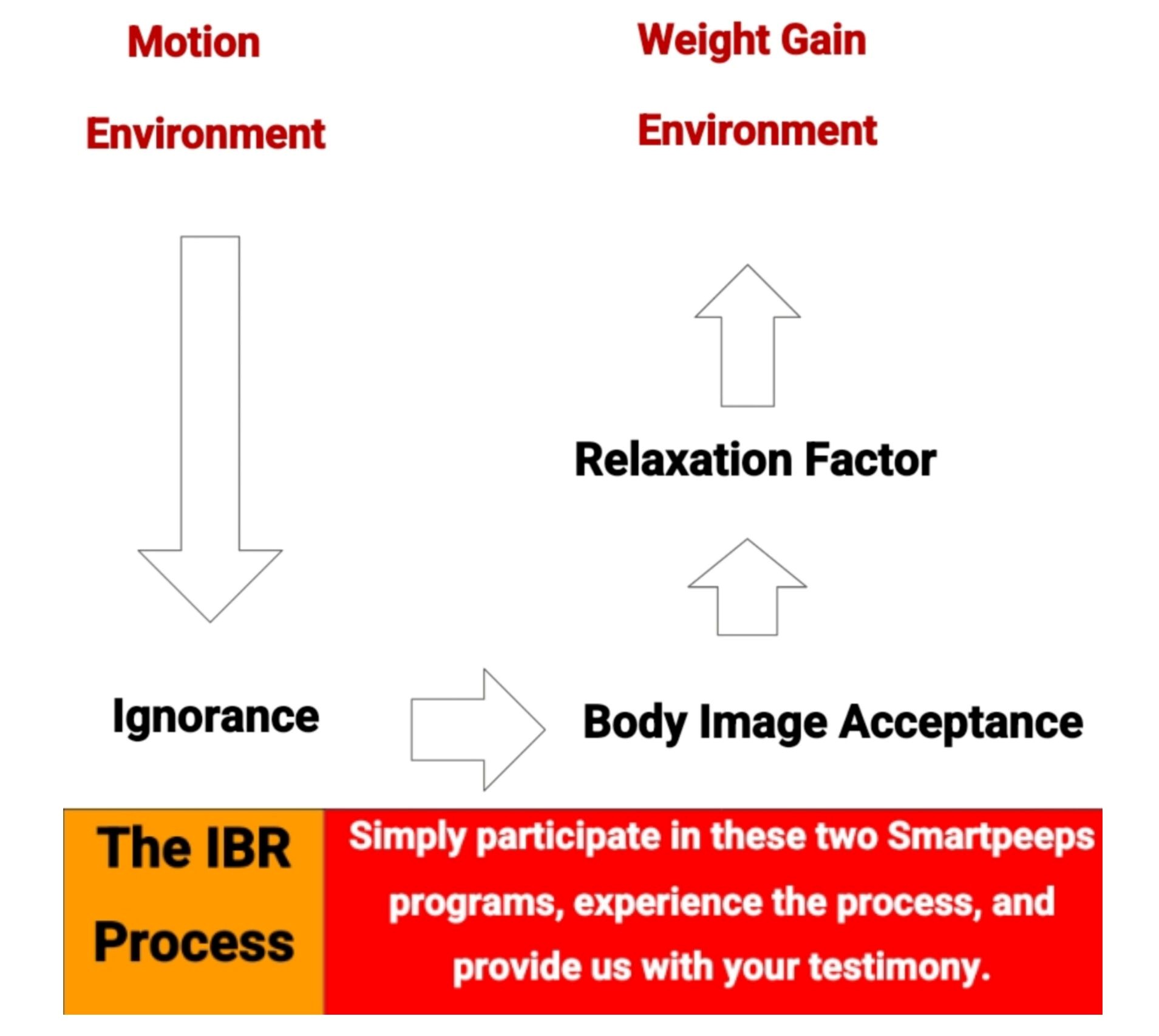
- Negative motion impulses continuously create or drive a negative motion awareness (-FAMNV). This environment is characterized by ignorance, where a person tends to think negatively and sees no need to make changes.
- According to Kabelo, "body image acceptance" is defined as the relaxation factor—an environment in which a person becomes relaxed and forgets the necessity to make changes.
Normal Body weight
Overweight
Obesity Class 1, 2 & 3
Whether you fall into any of these categories—once, twice, or multiple times—you will go through what Kabelo defines as "The IBR Process."
Inbox Content Reading Awareness Psych 3.1 [Motion app detection and monitoring technology]
According to Kabelo: Ignorance is the major component defining negative thinking cycle about food. You gain weight uncontrolled and much aware of the circumstances and not taking any action to lose weight, that’s a negative motion cycle about food. If you decide, willing and ready to change your mindset; you are creating what Kabelo defines as positive motion cycle.
Take Note: The app is coming 2027 to demonstrate this procedure fully
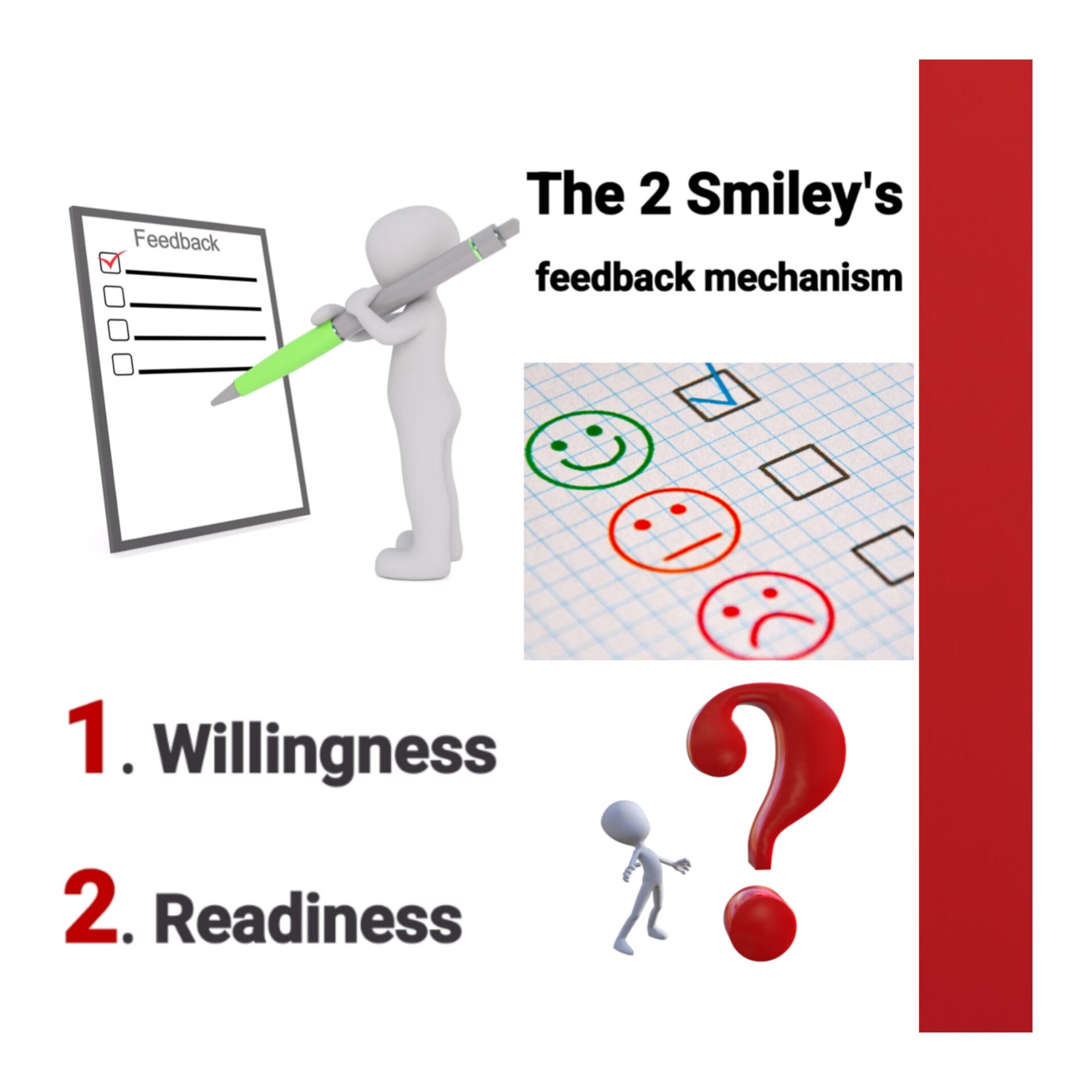
How does Smartpeeps app use the 2 feedback mechanism?
- Willingness
- Readiness
This is the first indication process that smartpeeps physics and radiation app will detect to assess activity outcomes. What Smartpeeps physics app does is to test the level of willingness by presenting facts and knowledge about everyday weight management activities.
Inbox Content Reading Awareness Psyc 3.1
This willingness explanation according to Kabelo’s programs: it refers to an individual’s openness and desire to engage with the process of change. It encompasses the motivation to adopt new strategies for managing eating behaviors, such as being open to meditation, mindfulness, and learning from the Smartpeeps program. Willingness is crucial because it drives a person’s commitment to make healthier choices and actively participate in the program.
Take Note: Kabelo will test your willingness throughout these 2 programs
This is the 2nd indication process that smartpeeps physics app will detect to assess mental readiness for any possible changes. According to TDPQ theory 10 Curiosity and excitement: mind will never get exhausted to think about food everyday therefore following smartpeeps physics activity app should be something creative to engage.
Inbox Content Reading Awareness Psyc 3.1
The Readiness: This relates to the preparedness of an individual to implement changes in their behavior. Readiness involves an assessment of one’s current mindset, emotional state, and the practical aspects of making adjustments to eating habits. It reflects the extent to which a person feels equipped to take on the challenges of managing their relationship with food and making lasting changes.
Take Note: Kabelo will test your readiness throughout the 2 programs
What is the goal of smartpeeps app that Kabelo is completing soon?
One of the goals of smartpeeps app is to record the motion science through everyday stress management eating activities while monitoring pressure and excitement speed every time you start thinking about what to eat or not?
Eating Disorder and Mismanagement
Inbox Content Reading Awareness: Psyc 3.3: [The External and Internal Factors contributing to eating mismanagement] keep enjoying the 2 programs which will guide you to identify these factors smartly]
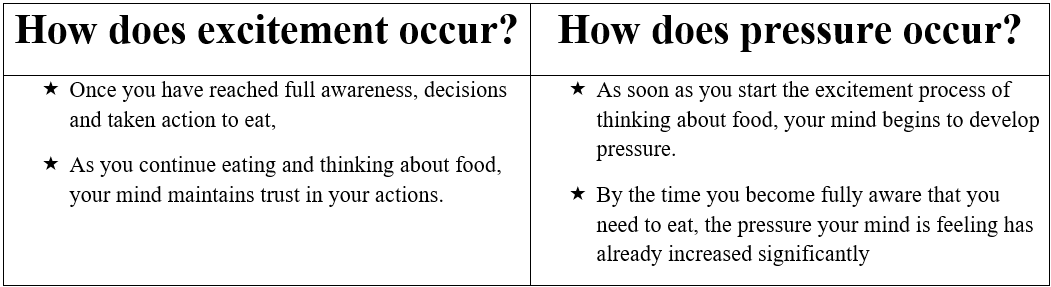
- Immediate Awareness of Hunger: According to Kabelo when individuals become acutely aware that they need to eat, this realization can create mental pressure. The urgency to satisfy hunger can lead to impulsive decisions about food, often resulting in choices that are not aligned with healthy eating habits.
- Excitement About Food: According to Kabelo as individuals think about food, excitement builds, which can create a sense of pressure to eat. This increasing excitement can affect or mislead a true hunger signal, leading to overeating or choosing unhealthy options because the pleasure associated with food becomes overwhelming.
- Societal and Environmental Influences: According to external pressures, such as social gatherings, advertising, and cultural norms around food, can increase the excitement to eat is, even when one is not truly hungry.
- Cognitive Eating Conflict: When individuals have conflicting feelings about food—such as wanting to eat something to satisfy or complete desires even though you are aware that you are full—this internal conflict can create mental pressure.
In Conclusion
- When you start to feel like “you want to eat”: that is a mood! It’s essential to recognize this process correctly as a response to low energy levels, which defines hunger. There are two types of excitement feelings—moods and desires—before you eat, and there are two types of satisfaction feelings— Paused Low Satiety and Paused full Satiety —after you eat.
- Once you begin to feel the urge to eat, mental pressure is inserted. There are management questions “when, what and how” directing desires leading to ineffective or effective decisions. By using the Smartpeeps physics app, the inventor aims to prevent up to 60% of the potential factors that could lead to weight gain.