
Chapter 2
The Chapter 2 of Kabelo's Dieting Invention Content
- Learn about scientific meditation eating
- Learn about the 2 types of energy
- Learn about the 2 types of eating excitement
- Learn about the 2 types of hunger-satiety and satisfaction
- Learn about the false Hunger Alert
Remember you must strategies this knowledge from website, document to app
How do we define meditation in science?


- Not this type of meditation that the author is discussing on his project
- According to the author this practice is not offering: sufficient mind reading subject
- According to the author this is an Unpredictable and Untraceable subject of meditation
Take Note: This is a mechanism formula in science that Kabelo is executing nicely in the program
How does Kabelo define meditation in his thoughts?

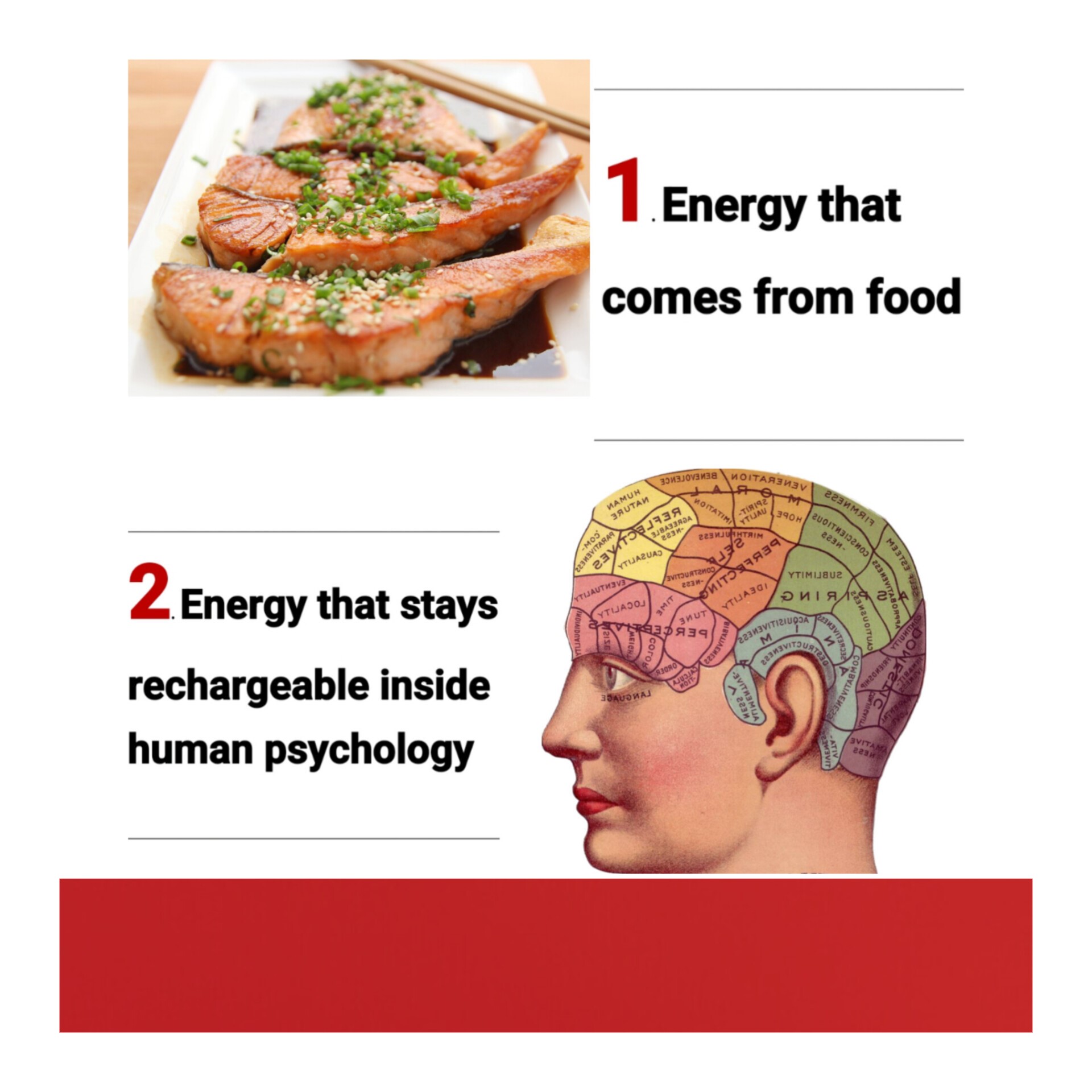
- Who is not eating food every day?
- Where on earth Obesity is not a problem?
- Who can live without food?
Take Note: This is a mechanism formula in science that Kabelo is executing nicely in the program
What is eating stress?


Eating meditation is a motion in physics that involves managing the relationship between pressure and excitement in the context of natural eating. Meanwhile, eating stress is a daily EQ equation that requires fun, creative thinking. Without substantial meditation, we cannot effectively trace motion markers such as moods and desires to prevent stress, which can lead to depression. EQ in science is a tool used to measure emotional intelligence, but the author, in his research, is using what he defines as CCAQ: Customization Conscious Activity Quotient.
Take Note: This is a mechanism formula in science that Kabelo is executing nicely in the program
How do you solve or prevent a problem?


Remember TDPQ 7 Theory: Mindset Clock: Time question and point of reference whereby we allow the mind to choose any food unopposed.
If there is something in the equation that we are not solving correctly, from the time you start thinking about food to the time you begin eating. Keep in mind that we are accumulating up to a 60% possibility of gaining weight by 0.5 kg by the end of the day.
- Hunger is the first triggered response due to low energy levels.
- You will then feel like eating, which defines moods (the first excitement motion).
- As the wave of excitement continues to rise, you develop thoughts and desires about what to eat or not to eat.
- As these thoughts and desires manifest, we engage in another process theory defined as FAMNV (Food Perception and Awareness).
- Keep in mind, according to Kabelo we have what we call positive and negative awareness (FAMNV)
- After adopting this FAMNV process in a positive awareness mood, we can then reduce excitement, the force of attraction, and pressures by up to 60% using what we call TDPQ Theory.
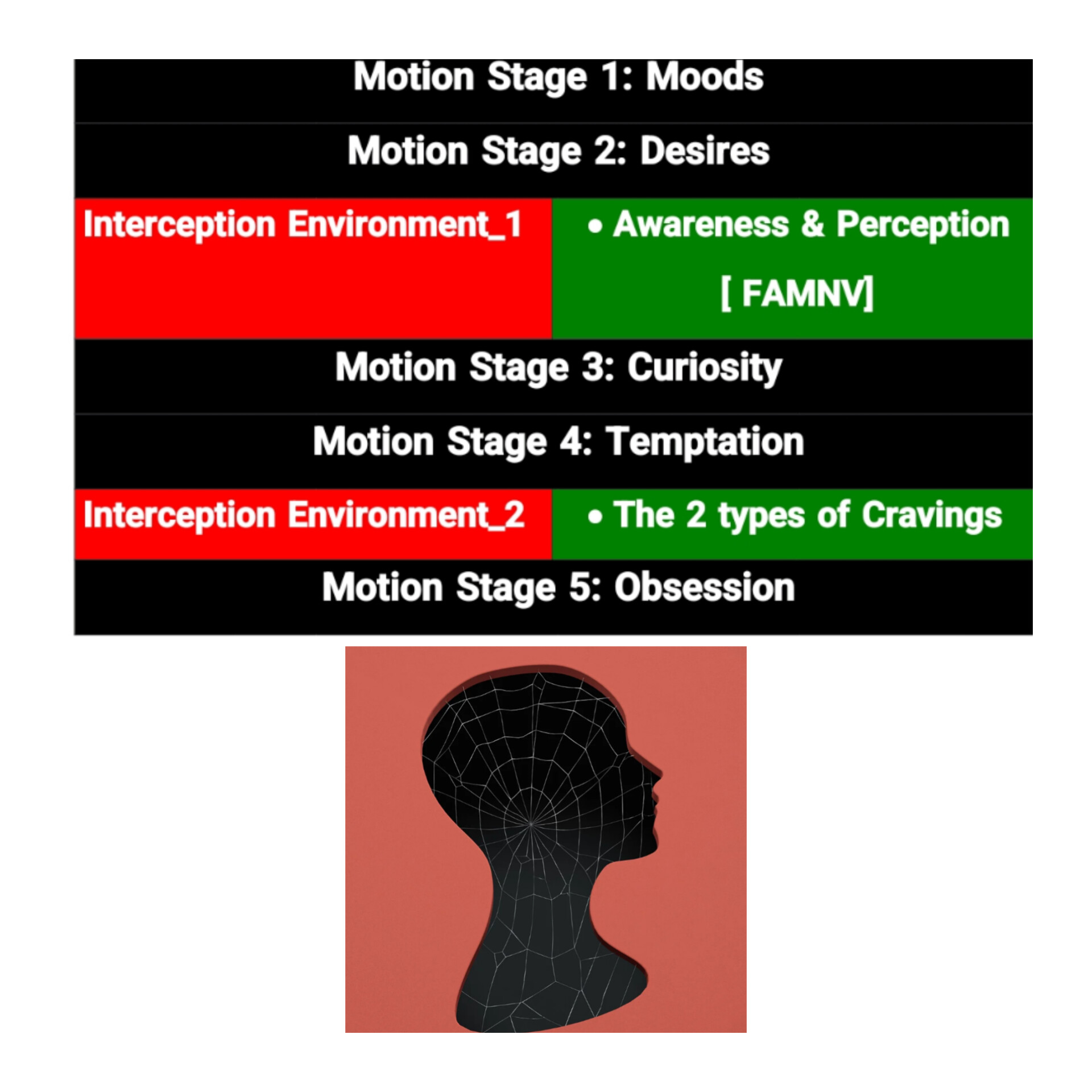
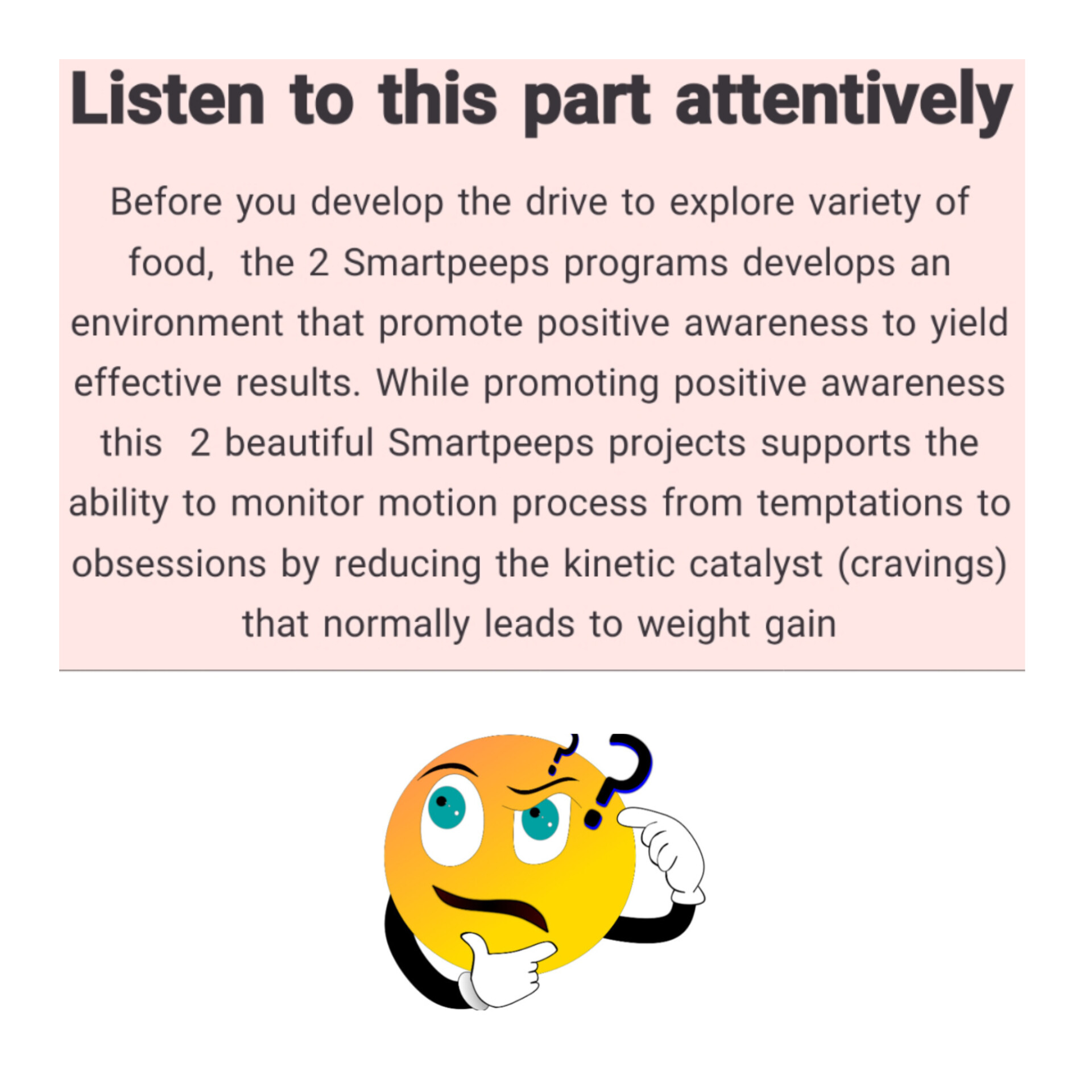
CTO Pixels is a concept that represents how our thoughts about food begin small each day due to excitement around eating. As our attraction to food grows, we feel more pressure, leading to curiosity, temptation, and obsession with food. Due to this influencing driving triggers Kabelo is convinced through his research that the process of gaining weight is something natural but easily avoidable.
Take Note: This is a mechanism formula in science that Kabelo is executing nicely in the 2 programs
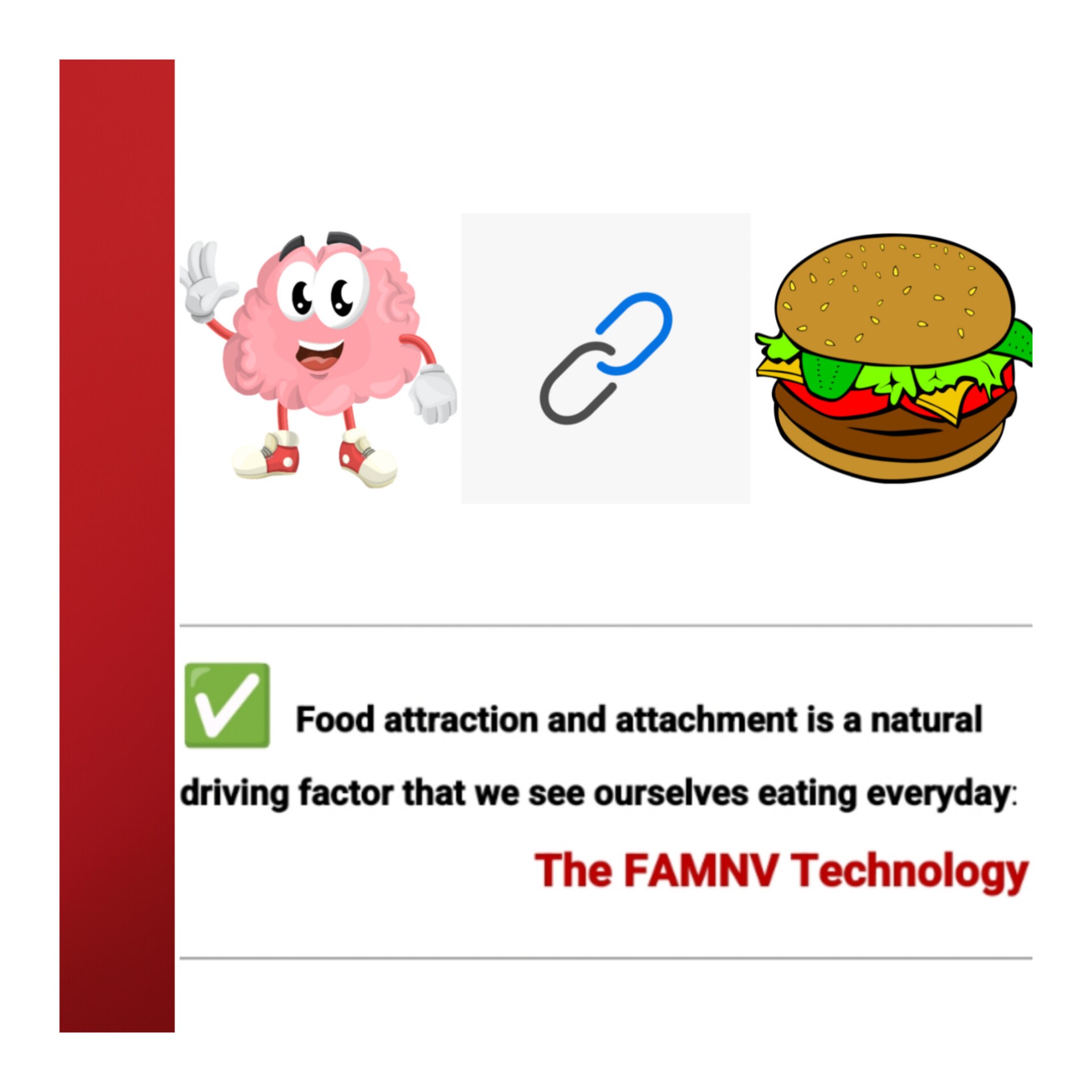

Moods are the first triggered motion excitement markers and a key factor driving curiosity, temptation, and obsession. If there are error responsiveness issues throughout the process, with CTO as a follow-up action, we may encounter problems during the 0.5 cycle at the end of the day.
The 0.5 cycle is a process in which an individual can gain or lose weight by up to 0.5 kg throughout the eating cycle, often without being aware of it.
- Did you know that there is a force of attraction between the mind and food?
- To what extent and is it possible to restrict the mind from thinking about food?
- Could it be 15-30 minutes, 1 hour, 2 hours, or even 5 hours before your brain starts triggering thoughts about food?
In Summary
- Able To Identify Triggers: Recognize what situations or emotions lead to excitement about food, helping to pinpoint specific triggers.
- Able To Manage Food Perception Responses: By increasing positive awareness, individuals can learn to manage their emotional responses to these triggers, reducing impulsive eating driven by excitement.
- Able To Differentiate Hunger: By increasing positive awareness, individuals can learn to manage their emotional responses to these triggers, reducing impulsive eating driven by excitement.
- Able To Decrease Obsession: By promoting a better understanding of food-related thoughts and feelings, FAMNV can reduce obsessive thinking about food, leading to healthier eating patterns and calorie management.