Psychology 1
The Chapter 1 of Kabelo's Dieting Invention Content
- Extracting the discovery knowledge behind the 4-in-1 tracing and detection technology
- Extracting the discovery knowledge behind the 10-in-1 eating science theory
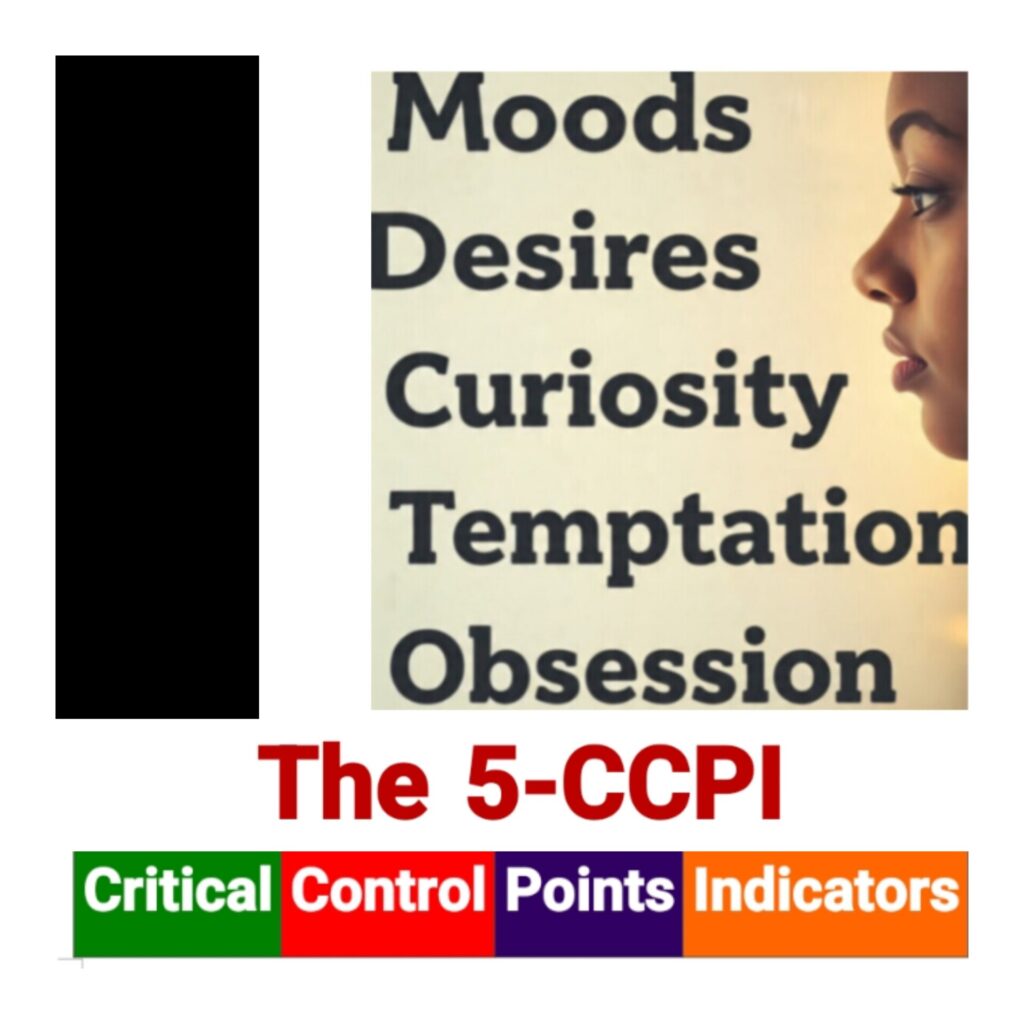
- Extracting the discovery knowledge behind the 5-in-1 CCPI (Critical Control Points Indicators)
Remember you must strategies this knowledge from website, document to app
- Between hunger, moods and desires there is a process that we have captured detecting excitement and satisfaction
Take Note: This is a mechanism formula in science that Kabelo is executing nicely in the 2 programs
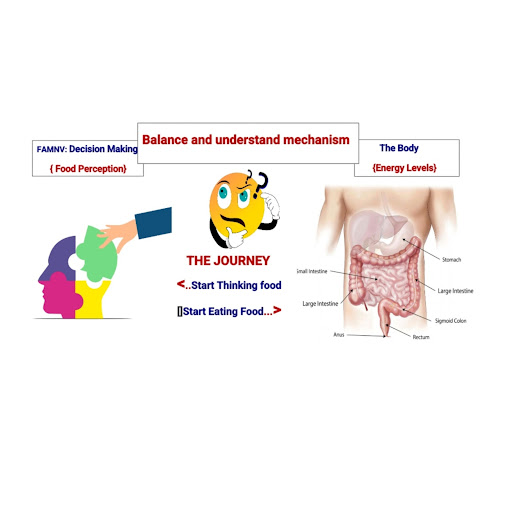
- Between mind and food there is a process that we have captured detected as " perception and awareness"
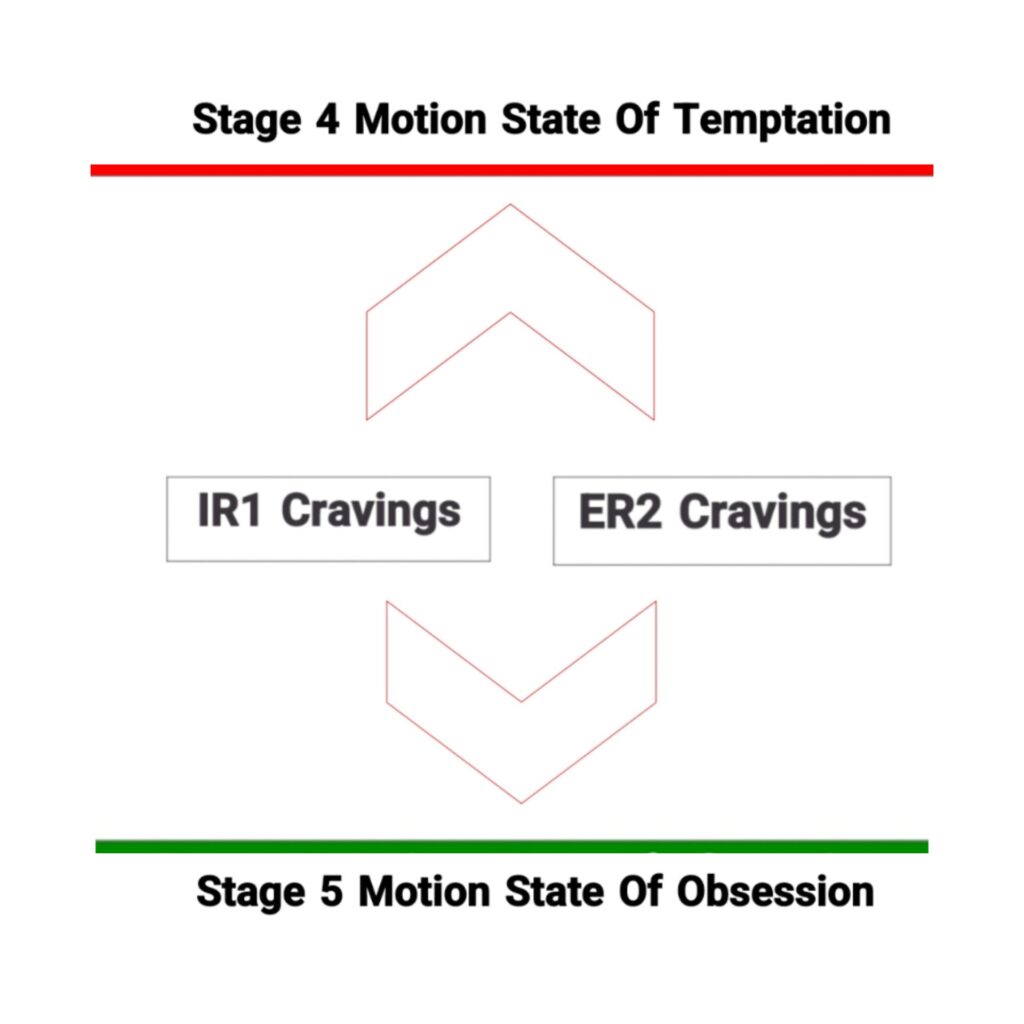
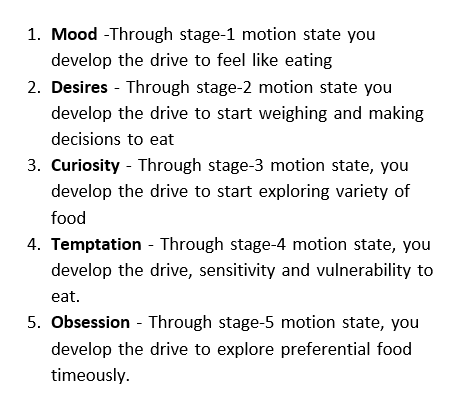
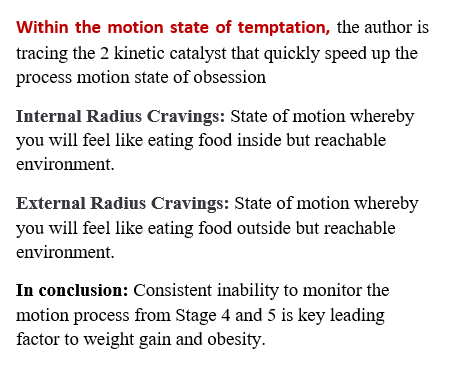
- There is a process that we have captured between curiosity, temptation and obsession that determine the outcome behavior.
CTO stands for “Curiosity, Temptation, and Obsession and is one of the technologies Kabelo used in smartpeeps project” It refers to a behavioral image that illustrates how these factors can lead to increased eating excitement. The CTO concept highlights the psychological and emotional forces that can drive individuals to think about food and eat, often leading to unwanted weight gain
Take Note: This is a mechanism formula in science that Kabelo is executing nicely in the 2 programs
- There is a smart technology that we use to theories the process of weight management while diagnosing, treating and monitoring
TDPQ
T = Time
D = Decisions
P = Pressure
Q = Questions
|
Take Note: This is a mechanism formula in science that Kabelo is executing nicely in the 2 programs
FAMNV Abbreviation:
- Food
- Awareness
- Minimax
- Neuro Vision
FEER Abbreviation:
- Fantasy
- Exciting
- Error
- Reality
TDPQ Abbreviation:
- Time
- Decision
- Pressure
- Questions
Understanding the motion eating process, weight gain to obesity
This is a critical process that we need to solidly control multiple times. The process can correctly be triggered by the arising lower hunger energy levels or re-start automated
Diagnose the problem:
Thinking about food is something exciting and none of us can spend a day without practicing this exercise.
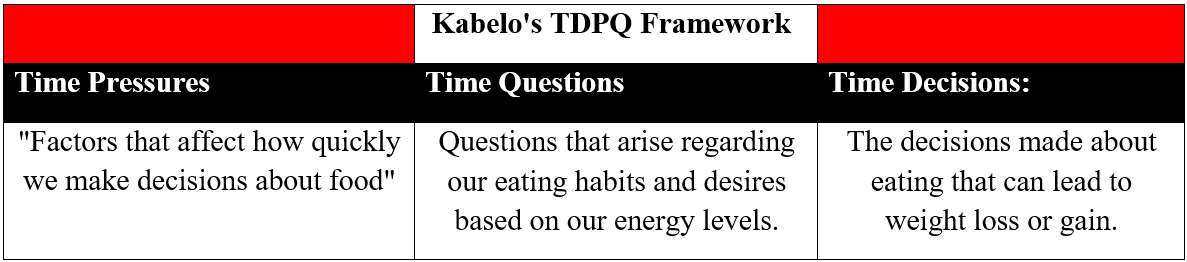
We are going to diagnose this problem using what we call: Time pressures
A – Time Pressures 1-4
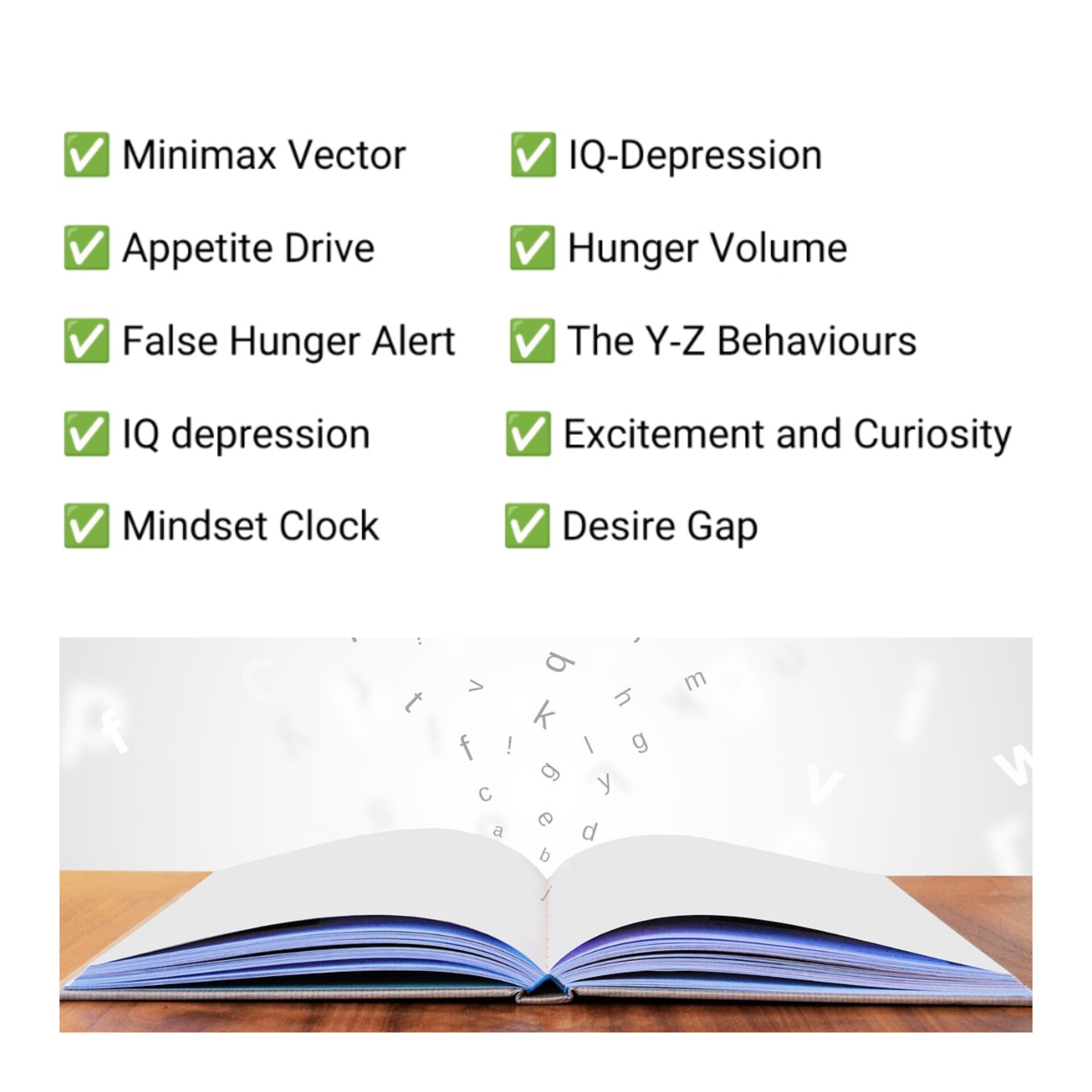
- TDPQ 1: Minimax vector:
Time speed motion pattern causing weight gain development unaware.
- TDPQ 2: Appetite drive::
Time pressure when mind desires any food at any time despite energy levels
- TDPQ 3: Hunger volume :
Time pressure defining hunger satisfaction and feeling of fullness.
- TDPQ 4: IQ Depression:
Time pressure when mind decide which food you must eat or not and how based om energy levels.
Treating the problem:
While allowing our minds to think about any food it is important to diagnose and treat factors driving humans to gain weight cheaply.
We are going to treat this problem using what we call: Time questions
B – Time Questions 5-7
5. TDPQ 5 :Desire gap:
Time question when body and mind debate about how to eat based on energy levels
6. TDPQ 6: False Hunger Alert
Time question when the body inaccurately responds to energy levels causing confusion in the brain.
7. TDPQ 7: Mindset clock
Time question theory and point of reference whereby we allow the mind to choose any food unopposed.
Monitoring the problem:
There is no way in science we can say people must stop thinking about food every day (FAMNV) and what this app does is to reduce the forces of attraction between food and mind by up to 60%.
We are going to monitor this problem using what we call: Time decisions
C. Time Decisions 8-10
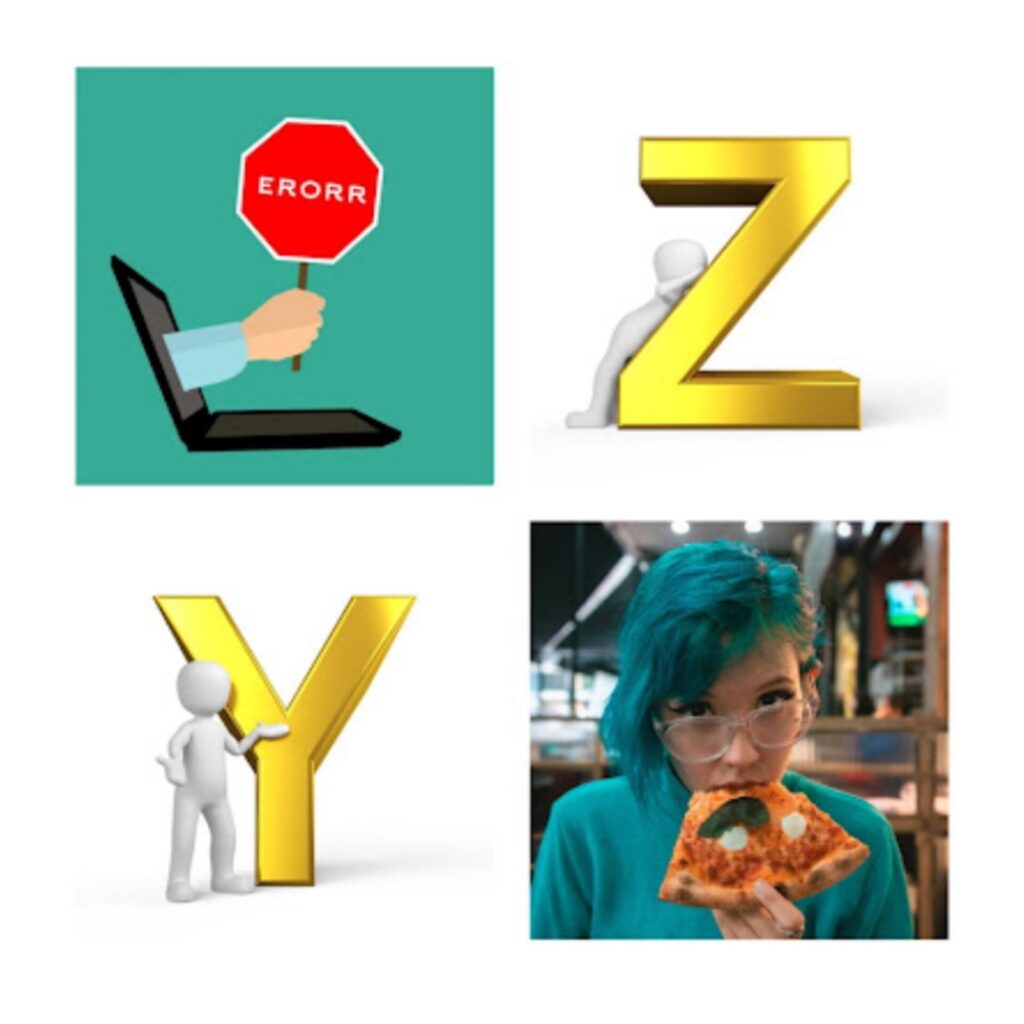
8. TDPQ 8: Y-behaviours:
The X-characteristics eating pattern and decisions lead to how we lose weight.
9. TDPQ 9: Z-behaviours
The X-characteristics eating pattern and decisions lead to how we gain weight.
10. TDPQ: Curiosity, Temptation, Obsession and Excitement
Time decision theory proving that human mind will never get exhausted or tired to think about food each and every hour.